

For many of us, the sound of a cassette tape clicking into a player is the sound of our youth. Whether it is a recording of a child’s first words, a grandparent telling stories, or a mixtape meticulously curated by a high school sweetheart, these tapes hold a unique emotional weight. However, as the years pass, the magnetic particles on those tapes begin to degrade, and the hardware required to play them becomes increasingly scarce.
Naturally, the question arises: how to transfer cassette to digital? When faced with this challenge, many people consider a "do-it-yourself" approach. At first glance, DIY seems like a cost-effective and rewarding weekend project. But as many soon discover, the gap between a home-made transfer and a professional conversion is wider than it appears.
The Allure of the DIY Approach
The internet is full of tools marketed toward the home user. From twenty-dollar USB cassette converters to free audio editing software, the barrier to entry seems low. The appeal is understandable: you keep your tapes at home, you maintain control over the process, and you potentially save money.
However, the "how to transfer cassette to digital" journey often begins with a modest investment that quickly balloons in terms of both time and frustration. While the hardware is available, the quality of consumer-grade converters often leaves much to be desired. These devices are frequently made with plastic components and low-end magnetic heads that cannot capture the full frequency range originally recorded on your tapes.
The Hidden Costs of Doing It Yourself
When evaluating the DIY route, it is important to look beyond the initial price tag of a USB converter. There are several hidden costs that many users overlook until they are deep into the process.
1. The Time Investment
Digitizing audio is a real-time process. If you have a 90-minute cassette, it takes 90 minutes to record it into your computer. If you have a box of twenty tapes, you are looking at 30 hours of actual recording time. This doesn't include the time spent setting up the software, troubleshooting connection issues, or manually splitting the long audio files into individual tracks. For a busy professional or a family person, those hours are a significant sacrifice.
2. Specialized Cleaning Supplies
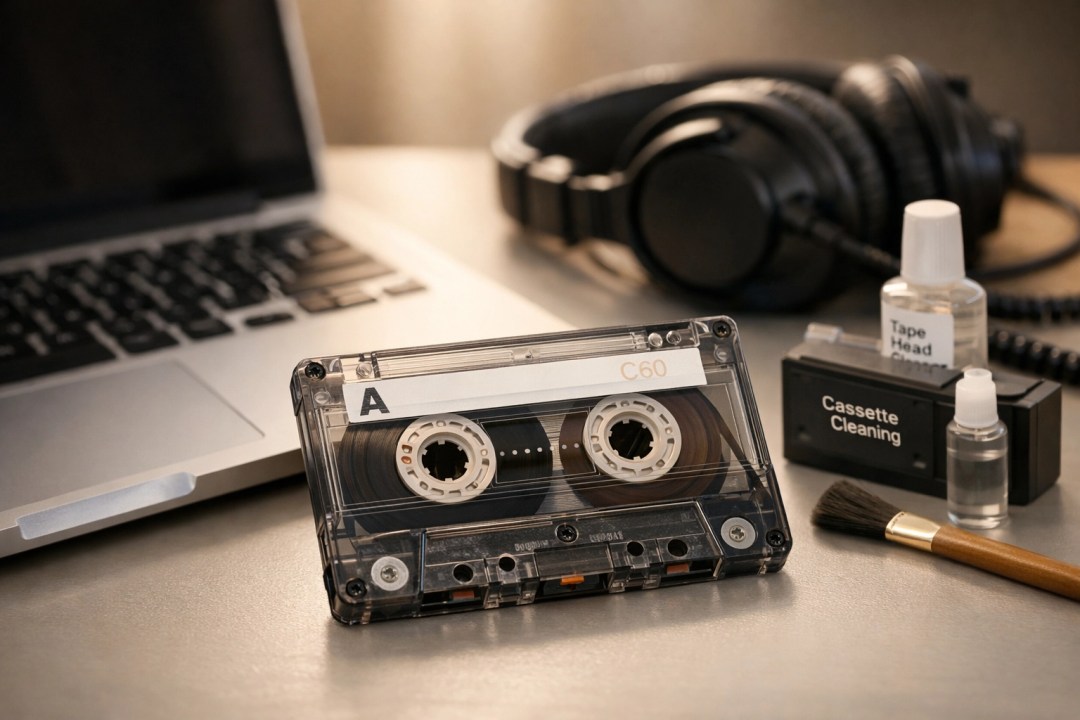
Tapes that have sat in an attic or basement for twenty years are rarely in pristine condition. They collect dust, mold, and oxide shed. Playing a dirty tape through a cheap converter can not only produce poor sound but can also damage the device's internal components. To do it right, you need specialized cleaning solutions and swabs, adding another layer of expense and complexity to your project.
3. Software Learning Curves
While software like Audacity is powerful, it is not always intuitive for the casual user. Learning how to properly set input levels to avoid "clipping" (distortion) or how to apply subtle noise reduction without making the audio sound "underwater" requires a certain level of technical proficiency.
The Technical Reality: Quality Matters
One of the primary reasons to seek out a professional audio cassette to digital service is the quality of the playback equipment. At Scan A Lot, LLC, we understand that the source hardware is the most critical link in the chain.
Professional-grade cassette decks, such as those from Tascam or Sony’s high-end lines, feature superior motors that provide a stable tape speed. Cheap USB converters often suffer from "wow and flutter": subtle variations in speed that make the pitch of the music or voice warble. Furthermore, professional decks utilize high-quality playback heads that extract the maximum amount of detail from the magnetic tape.
When you use a professional service, you aren't just paying for the transfer; you are paying for the equipment that preserves the integrity of the original recording.
Digital Formats and Preservation
When people research how to transfer cassette to digital, they often settle for the easiest file format: the MP3. While MP3s are convenient for sharing on smartphones, they are "lossy" formats, meaning some audio data is permanently discarded to make the file smaller.
A professional service typically offers high-resolution, uncompressed formats like WAV or AIFF. These files serve as a "digital master" of your recording. Once you have a high-quality master, you can always create MP3s for daily listening, but you will always have the full-fidelity version stored safely for the future. You can learn more about how we handle various media types on our frequently asked questions page.
The Benefits of Professional Restoration
Old tapes often come with a side of hiss, hums, and pops. While some of this is part of the "analog charm," excessive noise can make it difficult to hear the voices that matter most.
A professional audio cassette to digital service uses advanced digital signal processing (DSP) to minimize these distractions. We can gently reduce the background hiss without stripping away the warmth of the recording. This level of restoration is difficult to achieve with basic home software and requires an experienced ear to ensure the final product sounds natural.

Why "Digitalization Near Me" is the Best Choice
In an era of giant mail-in factories, there is something to be said for the personal touch. Searching for digitalization near me often leads families to local experts like Scan A Lot, LLC.
Entrusting your only copy of a precious memory to a shipping carrier can be nerve-wracking. When you work with a local service, you have the peace of mind knowing exactly where your tapes are. You can drop them off, speak with a technician about your specific needs, and pick them up when the job is done. This local connection ensures that your memories are handled with the care they deserve, rather than being treated as just another barcode in a massive processing facility.
We take pride in being a part of the community and helping our neighbors preserve their history. You can see how we've helped others by visiting our testimonial page.
Beyond the Cassette
While cassettes are a major focus for many families, they are often just one part of a larger collection of aging media. From 8mm film to VHS tapes, the need for digitalization is universal. The same principles that apply to audio cassettes apply to video and film: professional equipment and expert handling yield results that DIY methods simply cannot match.
By choosing a comprehensive audio transfer provider, you can consolidate your memories into a single, organized digital library.

Making the Right Choice for Your Memories
The decision of how to transfer cassette to digital ultimately comes down to what those recordings are worth to you. If the tapes contain generic radio recordings from the 90s, a DIY converter might be a fun experiment. However, if those tapes contain the voices of loved ones, family history, or irreplaceable moments, the risk of a poor-quality DIY transfer is high.
Magnetic tape is a fragile medium. Every time you play a tape in a low-quality machine, you risk a "tape eat" scenario where the thin plastic ribbon is mangled or snapped. Professional services use well-maintained, calibrated equipment designed to treat delicate tapes with the utmost care.
Your family's audio history is too important to risk on a cheap converter. Get crystal-clear digital files with our professional audio cassette to digital service. At Scan A Lot, LLC, we treat your memories as if they were our own, ensuring that the voices of the past are preserved with clarity for the generations of the future.
Visit scanalot.photos to learn more about our specific audio services or to schedule your drop-off today. Let us help you turn those silent plastic shells back into the vibrant stories they were meant to be.
#AudioCassette #CassetteToDigital #AudioPreservation #ScanToDigital #ScanALot #DigitalizationNearMe #PreserveMemories #VintageAudio #FamilyHistory #AudioTransfer #TipsAndTricks #Preservation
Ready to preserve your own memories? Scan A Lot has been digitizing photos, slides, film, video and audio for Long Island families since 2006 — everything handled in our own West Hempstead lab, never shipped out.
Start with audio cassette digitization, or browse video, photos and slides, 8mm film and audio. Questions? Contact us or call 844-SCAN-PIX.