

Categories: Tips & Tricks, Preservation
A family business is more than a place of work. It can be a gathering point, a source of neighborhood stories, and a link between generations. A VHS tape showing an ordinary day at the shop, workshop, or office may hold details that family members and former customers remember: the way the space looked, familiar voices, a craft in progress, or the people who helped build the business.
When that tape is transferred to a flash drive, the footage becomes easier to revisit and share. It also becomes part of a larger family and community history: one that can be enjoyed by people who never had the chance to visit the original business.
Everyday work becomes part of the family story
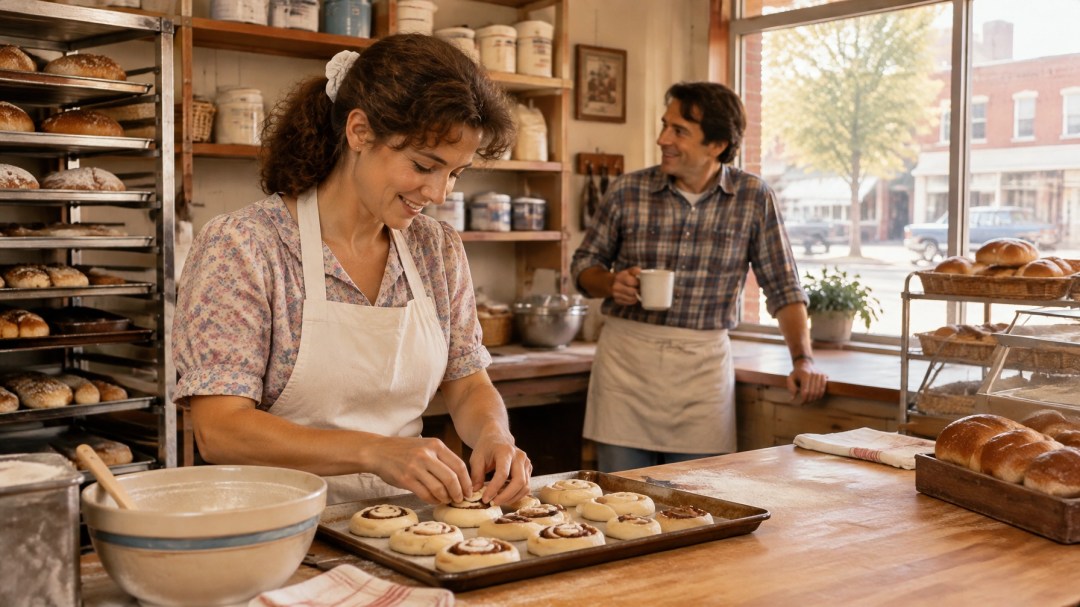
Home videos of family businesses are often informal. Someone may have filmed a busy morning, a seasonal display, a relative demonstrating a skill, or a gathering of employees and customers. The camera may have wandered from the counter to the back room, catching conversations and routines along the way.
Those scenes can be meaningful precisely because they were not staged. Alongside a business milestone or public event, a few minutes of everyday footage might show how the work was done and who was there. A family-run bakery, repair shop, farm, salon, studio, or local store each has its own rhythms and character.
As years pass, the business may change owners, move locations, or close. The VHS recording can then offer a glimpse of a place and time that no longer looks the same. It can preserve both a family’s working history and the community connections around it.
What a business tape may hold
A single VHS tape may include more than one kind of record. It might show:
- Family members learning or passing down a trade
- The interior, storefront, signs, or equipment of a business
- Employees, customers, neighbors, or longtime collaborators
- A product being made, repaired, packaged, or demonstrated
- A move, renovation, opening, anniversary, or final day
- Casual conversations that capture names, voices, and local expressions
Even details that seem small today can help tell the larger story. A shop’s layout, a familiar tool, or a conversation in the background can bring back people and memories that a posed photograph may not capture. When the recording is digitized, it can be watched alongside family photos, letters, menus, advertisements, or other materials that provide context.
Community history organizations have also recognized that home video can document local life not always represented in formal records. For example, the Holyoke Public Library’s Claiming Place project works with VHS recordings to help preserve and make visible Puerto Rican and Latinx community history. It is a reminder that personal recordings can have meaning beyond the household that first made them.
Why transfer a VHS tape to a flash drive?
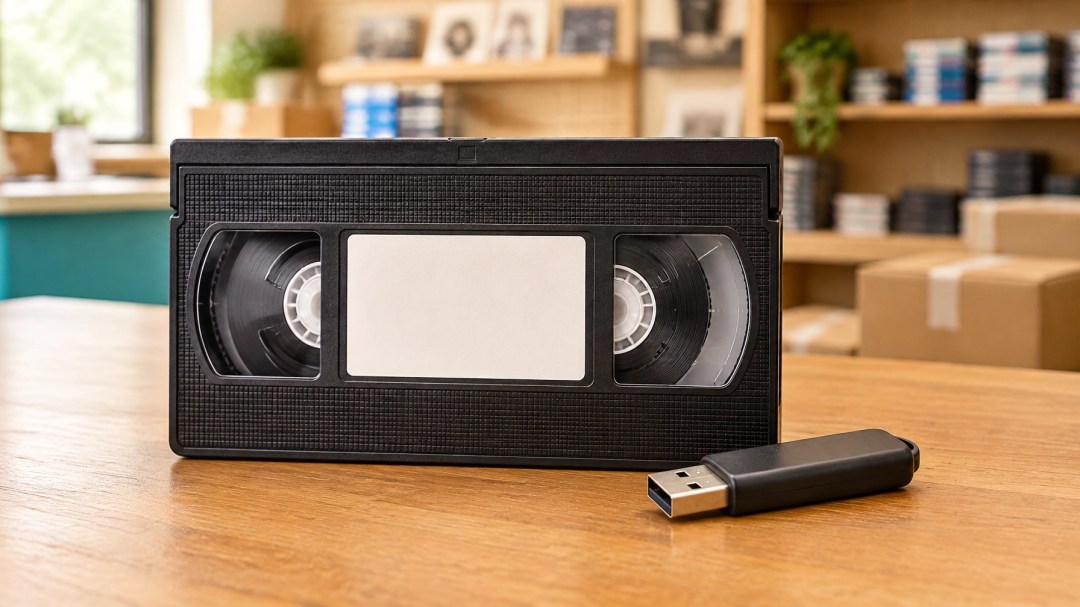
A flash drive offers a straightforward way to keep a digital video close at hand. Instead of relying on a VCR and VHS cassette, family members can access the transferred file using compatible modern devices. A digital copy can also be shared with relatives who remember the business or have their own pieces of its story.
For many families, the value is as much about access as storage. It is easier to bring a flash drive to a family gathering, revisit a clip on a computer, or make a copy for another family member. Depending on the playback device, the video may also be viewable on a television with USB support.
Device compatibility can vary, so it is worth considering how your family would like to watch and share the finished video. A flash drive is a useful physical copy, and keeping an additional backup in a separate location can offer another way to safeguard the digital file.
Professional transfer, handled with care
VHS is a format that depends on specialized playback equipment. Professional transfer gives your tape careful attention and turns the recording into a digital file that is more convenient to access today. At Scan A Lot, our VHS-to-digital conversion service is designed to help families preserve their video memories and enjoy them in a modern format.
Each collection is different. Some families have a single tape from a business’s final year; others have a group of recordings made over many years. If you know the names of people, locations, or events shown in a video, keeping that information with the file can make it easier for future generations to understand what they are seeing.
A short description can be helpful: the business name, approximate date, location, and names of people who appear. It need not be formal or complete. Even a family’s best recollection can provide useful context for someone watching the recording years later.
The story belongs to more than one generation
Watching a digitized business video together can prompt memories that might otherwise stay untold. One person may recognize a customer; another may remember how a particular machine worked or why the store moved. Younger relatives can see the people and places they have heard about, while older family members have a chance to share their own perspective.
These conversations can also connect family history with local history. Former employees, customers, and neighbors may recognize the setting or contribute details about how the business fit into the community. If a recording includes people who are not part of the family, consider their privacy and wishes when deciding how widely to share it.
For preservation guidance, the U.S. National Archives offers information on video playback and digitization. The Canadian Conservation Institute’s overview of VHS digitization also explains why creating digital copies can help make video content more accessible.
A small tape can carry a big history
A family business may be remembered through its products, its sign, or the people who ran it. VHS footage adds another dimension: movement, voices, gestures, and the feeling of being in the room. Transferring that recording to a flash drive gives the family a convenient way to return to those moments and share them with the next generation.
If you have VHS tapes documenting a family business, workplace, shop, craft, or job, Scan A Lot can help you explore a professional transfer. Contact Scan A Lot to discuss your tapes and the digital options available for preserving their stories.

#VHSTransfer #VHS2Digital #VHSOnFlashDrive #FlashDriveTransfer #VideoTapeConversion #VideoPreservation #FamilyBusiness #FamilyBusinessHistory #SmallBusinessHistory #LocalBusinessHistory #CommunityHistory #LocalHistory #FamilyHeritage #FamilyLegacy #FamilyStories #PreserveYourHistory #MemoryPreservation #DigitalPreservation #HomeVideo #HomeMovies #AnalogToDigital #MediaConversion #Digitization #VideoDigitization #OldVHS #VintageVideo #ShopHistory #WorkplaceHistory #CraftHistory #FamilyOwnedBusiness #NeighborhoodHistory #GenerationalStories #PreservingMemories #ScanALot #TipsAndTricks #Preservation