

Categories: Tips & Tricks, Preservation
Some recordings preserve a moment as it happened: a birthday party, a family gathering, a song at a recital. Others hold something quieter: the moments before.
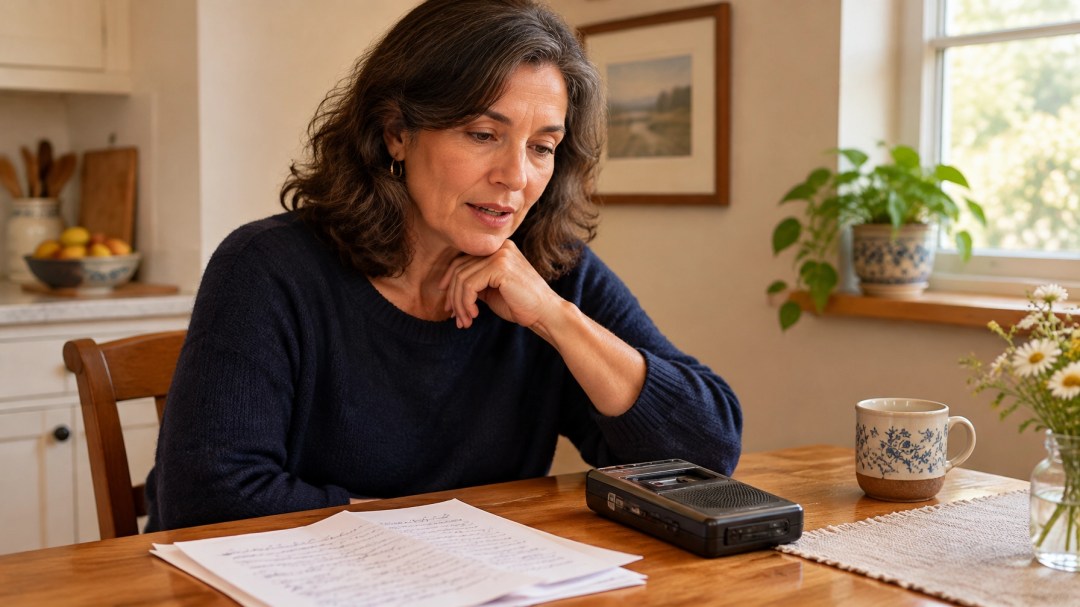
A father tries out a wedding toast in the kitchen, pausing to find the right words. A mother practices a eulogy, reading a line again until it feels true. A student rehearses a speech in an empty room. A musician works through a difficult passage before the recital.
These are practice tapes, made for a practical reason at the time. The person recording may have expected to listen, improve, and move on. They may not have imagined that the recording itself would one day matter to their family.
When people look for an audio cassette to digital service, they may be thinking of old music, interviews, or a relative’s voice. A rehearsal tape can be all of those things, and something more. It captures the effort behind a meaningful moment, along with the voice and personality of the person preparing for it.
The version before the polished version
A finished speech or performance shows what an audience heard. A rehearsal recording offers a different perspective. It may include a laugh after a forgotten line, a quiet “let me try that again,” or a sentence reshaped until it sounds right.
Those small details can make a recording feel especially close. You hear the speaker thinking aloud and making choices. You hear their pace, familiar turns of phrase, and the way their confidence builds. The recording doesn’t need to be perfect to feel complete; its hesitations and corrections are part of what makes it personal.
Imagine finding a cassette labeled “Wedding toast practice.” Perhaps the voice belongs to a father who has since passed away, and the wedding took place years ago. The final toast may have been recorded on video, or it may survive only in family stories. The cassette preserves another side of the occasion: the care he took while preparing to speak to the people he loved.
Care, heard in the details
Practice recordings are often intimate by nature. Someone may have recorded alone, at home or in a parked car, without an audience. That privacy can make the voice feel different from the one a family remembers in a public setting.
A mother rehearsing a eulogy for her own parent might stop to collect her thoughts. A student practicing a valedictory speech could sound nervous at first, then more certain by the end. Someone preparing for a job interview or a retirement send-off might run through the same answer several times, searching for a way to say what matters.
Listening later, family members may recognize more than the words. They may hear a relative’s humor, determination, warmth, or characteristic way of pausing. The tape can reveal how much thought went into the event, and how much the people involved mattered to the person preparing.
That is why these recordings can feel significant even when the event itself has passed. The rehearsal isn’t a lesser version of the occasion. It is a record of anticipation and intention: someone trying to show up well for another person.
Music practice carries its own story
Not every rehearsal tape contains a speech. A cassette might hold a musician working through a piece before a recital, repeating a phrase until the notes settle into place. Perhaps there is a count-in, a brief exchange with a teacher, or a small celebration after a clean run-through.
The sound may be less formal than a recital recording, but that can make it more revealing. The listener hears the process as well as the performance: concentration, persistence, and the changes that happen between one attempt and the next.
For families, a tape like this can preserve a chapter in someone’s life. It might bring back memories of lessons, school concerts, or the instrument that once filled the living room. For the musician, it may hold a record of practice from a period they remember differently now.

Why make an old rehearsal tape easier to hear?
An audio cassette is a physical recording that depends on a compatible player. As equipment becomes less familiar, it can be harder to revisit a tape or share it with relatives who live elsewhere. Converting a cassette to a digital file makes its recording easier to play on current devices and share with family.
Digitization also gives a family a convenient copy while allowing them to keep the original cassette. The case and handwritten label may be meaningful too: a date, a name, or a simple note can help place the recording in its story. If you have context about who made the tape or what they were preparing for, that information can accompany the digital file.
The Library of Congress offers guidance on caring for personal collections, including the importance of keeping collection materials in suitable conditions. For more about cassette care and what to expect from a service, see Scan A Lot’s article on preparing for an audio cassette to digital service.
Some families also find that digital audio makes it simpler to share a familiar voice with a loved one who has memory loss. A short, recognizable recording may offer a point of connection or comfort. Each person responds differently, but being able to play a meaningful voice without needing cassette equipment can make a cherished recording more accessible.
Keeping the story with the sound
When a family discovers a rehearsal tape, the label may not tell the whole story. It can help to note what relatives know: who is speaking, what occasion they were preparing for, or approximately when the tape was made. If something is uncertain, it’s fine to leave it uncertain rather than fill in details with a guess.
A file name or note can be simple and useful: “Dad’s wedding toast rehearsal, probably 1998” tells future listeners more than “Tape 4.” Keep the original cassette and any notes or related photographs together if possible. These small bits of context can help children and grandchildren understand why the recording mattered.
You may also want to listen with family members who remember the event. One person might recognize a voice in the background; another may remember the story behind a particular line. Together, you can add context that no label could hold on its own.

A practice run that became part of the family story
The value of a rehearsal tape often emerges over time. When it was made, it was simply preparation for a wedding, a service, a recital, or a speech. Later, it can become a record of someone’s voice and the care they brought to an important moment.
The false starts matter. So does the sentence they revised, the laugh between takes, and the steadier version they reached at the end. Together, those details let listeners hear not only what the person planned to say, but the person becoming ready to say it.
If you have rehearsal tapes or other meaningful recordings you’d like to hear and share more easily, contact Scan A Lot about audio cassette digitization. We’ll be glad to talk with you about preserving your recordings.
#audio cassette to digital #digitize tapes #preserve memories #audio cassette digitization #cassette conversion #audio preservation #family memories #family history #personal history #family legacy #preserve family history #voice recordings #recorded memories #rehearsal tape #practice tape #wedding toast #wedding memories #eulogy memories #speech rehearsal #student memories #music practice #recital memories #analog audio #cassette tapes #old cassette tapes #digital audio files #audio transfer #tape digitization #memory preservation #heirloom memories #family archive #share family memories #preserve the past #ScanALot #audio memories #voices of loved ones