

Categories: Tips & Tricks, Preservation
Some of the most memorable family sports footage was never meant for a highlight reel. It was captured from the sidelines by a parent, sibling, or cousin with a camcorder in hand: a backyard football game that got competitive, a child stepping up to bat, or a driveway rematch everyone still talks about.
Those VHS tapes hold more than scores and plays. They show how people moved, cheered, joked, and spent time together. Converting them to digital files on a flash drive can make these moments easier to revisit and share with family.
A family’s own version of the game
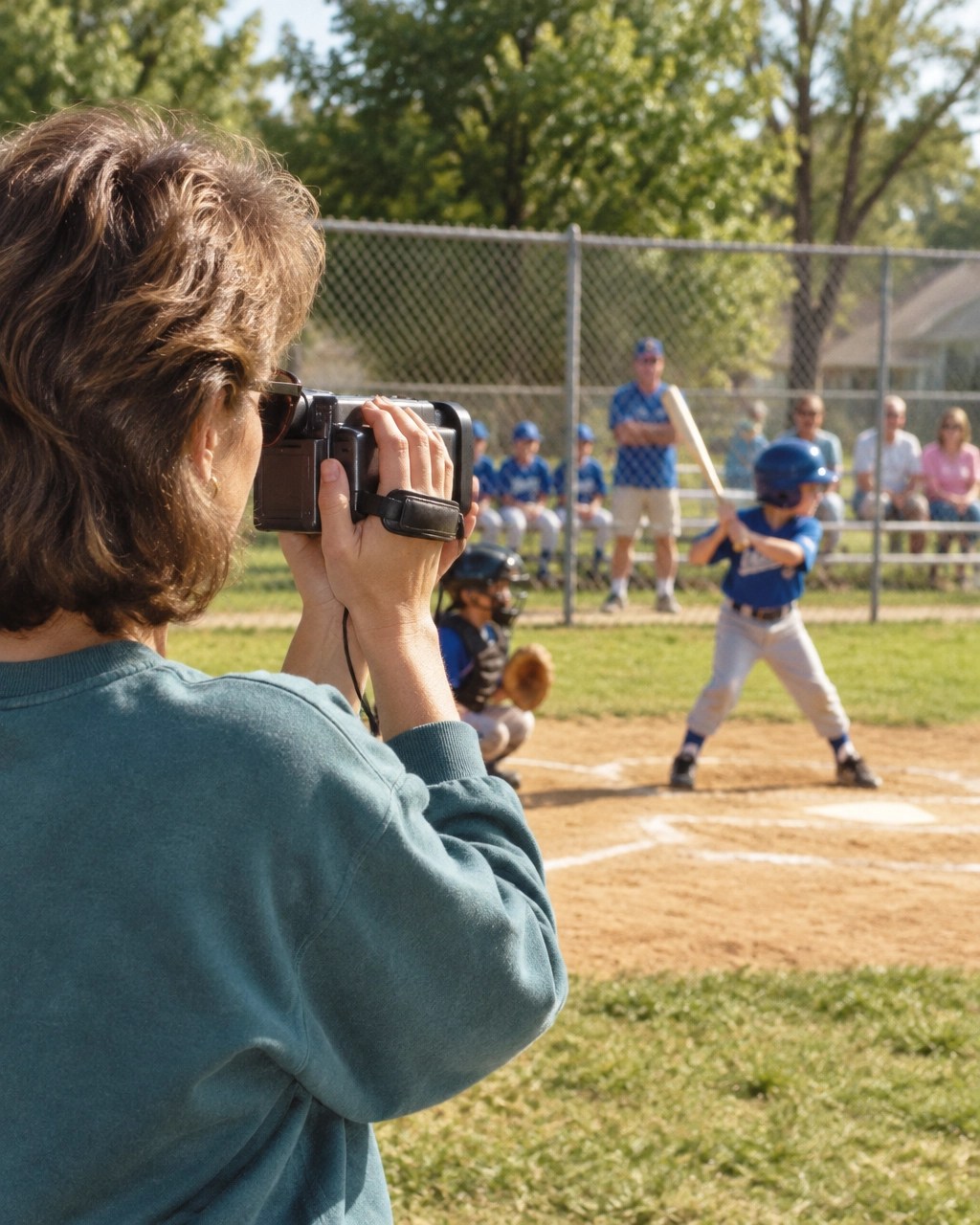
A camcorder recording of a child’s soccer season or Little League games may look like sports footage, but it is also a family record. The camera might linger on the batter, then turn toward the people calling encouragement from the bleachers. It may catch a sibling waving at the lens, or a parent trying to keep filming while applauding.
That informal perspective is what makes these videos personal. They are not organized team film or polished broadcasts. They’re a record of the family’s place in the day: who came along, who was cheering, and what the atmosphere felt like.
The small details that bring a game back
The score may be long forgotten, but a familiar voice can bring the scene back. You might recognize the way someone called out from the sideline, hear teammates laughing between innings, or see a child glance toward the camcorder after a big play.
Family sports videos often preserve details that a still photograph cannot: the rhythm of a game, the cheers from the sidelines, and the conversations between plays. Even a brief stretch of footage can bring back the feel of an afternoon: muddy shoes, a folding chair near the field, or the family’s familiar routine of showing up to support one another.
The same is true for activities that were not part of a school or community season. A bowling league, a golf outing, or a pickup basketball game might have seemed ordinary at the time. On tape, those outings become part of a shared story, especially when the recording includes the people joking around and spending time together.
Beyond the field: backyard games and personal bests
Some of the liveliest tapes may come from the backyard or driveway. Maybe cousins played football every Thanksgiving, with the teams changing from year to year. Perhaps siblings returned to the driveway for rematches, each convinced the last game did not count. There might be a family fishing trip, a bowling night, or a round of golf where the best moment was not the score but the laughter afterward.
These videos don’t need to show a remarkable athletic performance to be worth keeping. Their value is often in the relationships around the activity: cousins figuring out teams, a parent trying to follow the action with the camera, or a sibling celebrating a win just a little too loudly.
Home video grew popular in part because families could record their own everyday experiences, not just events made for an audience. Europeana’s history of home video describes how camcorders helped make personal video recording a familiar part of home life. Family games are a natural example: an ordinary afternoon turned into a memory the family could watch again.
What’s on the tapes may surprise you
VHS labels are not always a complete guide to what is recorded. A tape marked “soccer” might include several games, a drive to the field, or footage from another family outing. A cassette labeled only with a year may hold a mix of sports, hobbies, and everyday moments.
If you’re gathering tapes for conversion, a short note about what you think is on them can help keep those memories in context. Names, approximate dates, locations, and the activity can all be useful later. There’s no need to have every detail perfectly sorted before asking about a project; the important thing is to retain whatever context you already know.

Why move VHS memories to a flash drive?
A flash drive provides a convenient way to keep converted videos accessible. Rather than needing a VCR to play the original tape, you can view the digital video on compatible computers and other devices. Digital files can also be copied to additional storage or shared with relatives who may remember the same games from another spot on the field.
A flash drive is one useful place to keep a copy, but it should not be the only one. The U.S. National Archives’ guidance on video playback and digitization recommends keeping copies in appropriate formats and preserving original materials where possible. For family collections, that can mean treating the flash drive as a convenient viewing copy and keeping another backup separately.
It’s also reasonable to keep the original VHS tapes after conversion. They remain part of the family collection, while the digital version makes the footage easier to access with today’s devices.
What to expect from a professional conversion
With professional video conversion, the goal is to transfer the recording into a digital format that is more convenient to view and store. The final appearance depends on the source tape and the way the footage was originally recorded. Older home video has its own characteristics; conversion preserves what is there rather than making it look like a modern sports broadcast.
Scan A Lot’s video tape conversion service handles VHS and other video formats, with digital options including MP4 and ProRes. If you have several tapes or are unsure which formats you have, the media digitization questions page offers further information about the service.

Turning an old season into a shared memory
Once footage is on a flash drive, family members can watch it at a gathering, revisit it on their own, or share a copy with relatives who appear in the video. A cousin might remember the Thanksgiving game differently. A former Little Leaguer might be surprised to hear a grandparent cheering from behind the camera. Someone else may recognize the fishing spot or the family members who came along.
The video can also prompt stories that would otherwise stay tucked away: who always chose teams, which sibling insisted on a rematch, or how the family turned a casual game into a yearly tradition. The activity is only part of the memory. The voices and reactions around it often matter just as much.
Preserving family sports and hobby footage is a way to make those moments easier to return to, whether they show a season’s games or a single, spirited afternoon in the yard. If you have VHS tapes of backyard games, family sports, or favorite outings, contact Scan A Lot to have your VHS tapes converted.
#VHS #VHSTransfer #VHSToFlashDrive #VHSConversion #VideoTransfer #VideoDigitization #HomeMovies #FamilyVideos #FamilyMemories #FamilySports #BackyardFootball #LittleLeague #YouthSoccer #SoccerMemories #BowlingLeague #GolfOuting #PickupBasketball #DrivewayBasketball #FishingTrip #CousinTime #SiblingRivalry #CamcorderMemories #AnalogToDigital #DigitalPreservation #MemoryPreservation #FamilyHistory #PersonalArchive #PreserveYourMemories #ScanALot #TipsAndTricks #Preservation #OldHomeVideos #FlashDriveMemories #FamilyLegacy #MemoriesWorthKeeping